The Advantages of Artificial Grass Installation: A Minimal-Upkeep Solution for Your Yard
Synthetic turf installation offers a range of benefits that resonate with homeowners in search of a low-maintenance yard alternative. It does away with routine maintenance tasks such as mowing and irrigation, providing a sensible substitute for conventional landscaping. Moreover, its environmentally conscious qualities support water conservation and minimize chemical use. As homeowners consider this option, inquiries about safety and long-term financial benefits commonly surface, prompting a closer copyrightination of its overall impact on outdoor spaces.
The Time-Saving Benefits of Artificial Grass
When homeowners consider what artificial grass has to offer, one of the most compelling advantages is the considerable time savings it provides. Conventional lawns necessitate ongoing upkeep, including watering, mowing, and fertilizing, which can eat up significant time each month. On the other hand, artificial grass eliminates these tasks, giving homeowners the freedom to reclaim their time.
Without the need for mowing, homeowners are able to enjoy a perpetually well-groomed look without the hard work involved. Moreover, the removal of irrigation requirements means that busy schedules will not be disrupted by the obligation to manage the lawn's water intake.
Furthermore, artificial grass is typically designed to inhibit weed development, minimizing the time spent on weeding and upkeep. This easy-care option is popular with residents and households seeking to transform their outdoor spaces without the associated labor. Ultimately, the time-efficient benefit of artificial grass greatly supports its growing popularity among property owners desiring a convenient solution.
Eco-Friendly Benefits of Artificial Grass
While many homeowners seek aesthetic appeal, the eco-friendly benefits of artificial grass render it an increasingly appealing solution. A key benefit is water conservation; artificial grass does away with the need for routine watering, which can preserve thousands of gallons per year. This decrease in water consumption is particularly vital in areas experiencing drought conditions.
In addition, synthetic turf minimizes the reliance on pesticides and chemical fertilizers, encouraging a greener environment. In contrast to natural grass, it requires no regular mowing, thereby cutting harmful emissions caused by gasoline-powered lawn machinery.
Moreover, the application of fake grass can play a role in decreased soil erosion, as it offers a stable surface that withstands heavy foot traffic and adverse weather conditions. All things considered, the sustainable qualities of synthetic turf not only help home owners but also promote larger environmental conservation goals.
Is Artificial Turf Safe for My Pets?
Is artificial grass safe for pets? Artificial grass is widely considered a pet-safe choice for homeowners. It is crafted from non-toxic components, keeping pets protected from the harmful chemicals commonly present in traditional grass treatments. In contrast to natural grass, artificial turf does not attract or shelter pests like fleas or ticks, offering a cleaner and safer space for pets to enjoy.
Furthermore, artificial turf allows for effective water drainage, reducing the risk of soiled paws and the occurrence of unwanted smells. The durability of artificial grass means it can endure vigorous play and digging, making it a smart choice for active pets. Additionally, various top-quality artificial grass solutions come with UV-blocking technology, eliminating color loss and delivering a protected area for pets to use in every season.
That said, pet owners need to routinely clean the surface to ensure cleanliness and prevent the buildup of bacteria. Overall, artificial grass presents a secure and effective solution for pet owners who need options that are easy to maintain.
Long-Term Financial Savings With Artificial Turf
Synthetic turf not only improves the safety and enjoyment of pets but also provides considerable long-term savings for homeowners. By doing away with the necessity for frequent watering, mowing, and fertilization, artificial turf considerably lowers recurring maintenance costs. Homeowners are likely to see savings on water bills, most notably in areas impacted by drought restrictions, since synthetic turf requires minimal watering. Additionally, the sturdiness of artificial turf enables it to handle heavy foot traffic and severe weather conditions without necessitating frequent replacement. This lasting quality results in reduced expenses over time when compared to natural grass, which may need re-sodding or significant repairs. Beyond that, the diminished maintenance demands allow homeowners to focus their time on other priorities, further enhancing cost-effectiveness. In summary, the upfront investment in synthetic turf can generate significant savings, making it a smart financial decision for those seeking to improve their outdoor areas while reducing long-term expenses.
Upgrading Your Outdoor Space With Artificial Grass
Revamping an outdoor read more environment is straightforward when homeowners opt for artificial grass, as it delivers a lush, green landscape year-round without the hassle of traditional lawn care. This flexible solution elevates the overall appearance, creating welcoming spaces for relaxation, play, or entertaining. The vibrant colors and realistic textures available can pair beautifully with diverse architectural styles, from modern to classic, naturally harmonizing with existing landscaping elements.
Furthermore, artificial grass can be adjusted to unique requirements, making it well-suited for diverse applications such as patios, poolside areas, or playgrounds. Its durability under heavy foot traffic assures that outdoor areas stay pristine and functional regardless of the season. In addition, artificial grass contributes to environmental sustainability by minimizing water usage and eliminating the need for harmful pesticides. All in all, this innovative solution not only enhances the visual appeal of any outdoor environment but also creates a functional and enjoyable environment for residents and their guests.
The Simplicity of Low Maintenance With Artificial Grass
As many homeowners desire a vibrant lawn without the demanding upkeep, opting for artificial grass offers an ideal solution. This cutting-edge landscaping alternative needs significantly less care than conventional grass. Homeowners no longer need to spend hours mowing, watering, or fertilizing their lawns. Rather, a quick wash with water is generally enough to maintain a clean and vibrant appearance.
Artificial turf is resistant to pests and diseases, doing away with the need for chemical pesticides and treatments that can harm the environment. In addition, it withstands diverse climatic conditions, retaining its appearance year-round without fading or browning. The lack of mud and clippings also means reduced dirt and debris being carried inside.
Thanks to artificial grass, residents can benefit from a reliably beautiful and attractive landscape without the constant labor and time commitment associated with natural grass. This low-maintenance option provides increased relaxation and reduced stress over lawn care.
What You Can Expect During Artificial Grass Installation
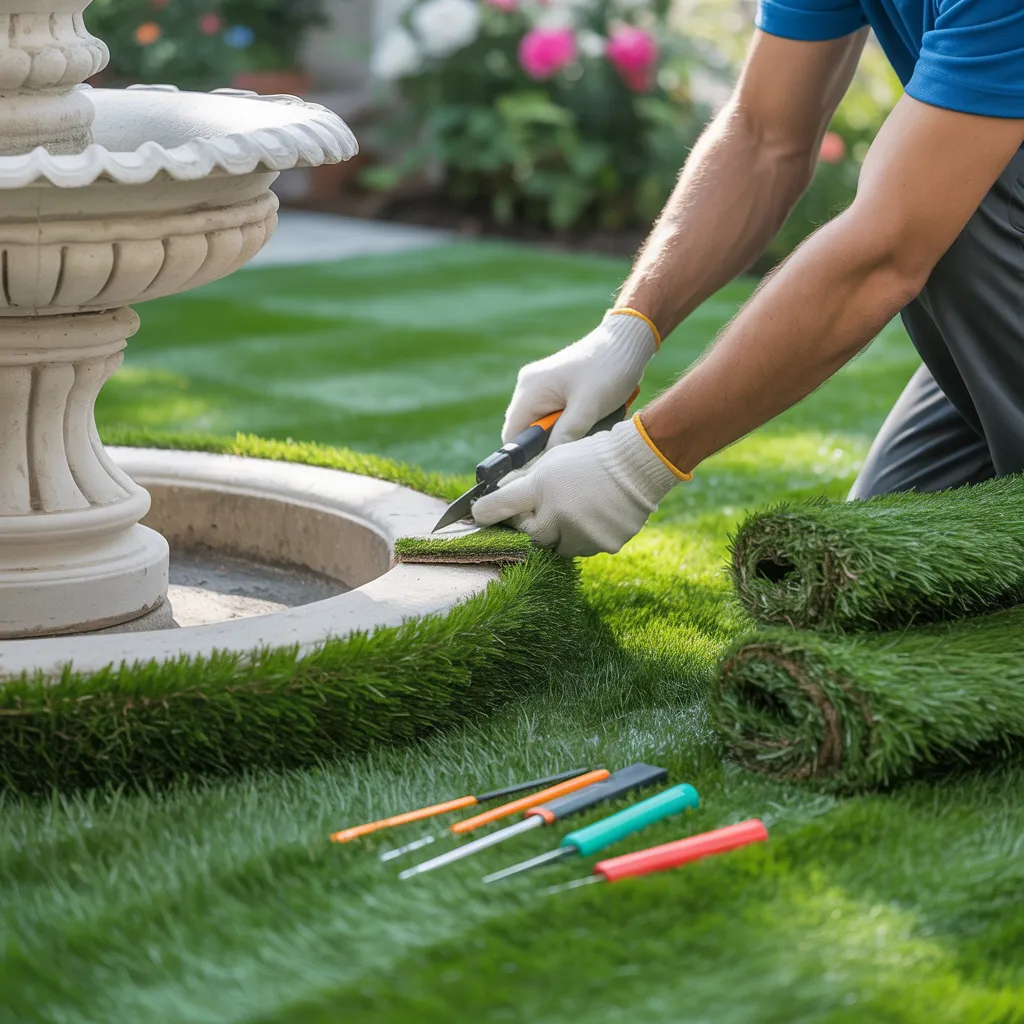
Homeowners opting for artificial grass can anticipate a seamless installation process that improves their outdoor space. Usually, the procedure commences with an inspection of the area to establish the correct type and amount of grass needed. Professional installers will clear the existing lawn, removing debris and vegetation to create a clean base.
Next, they will grade the surface and apply a layer of gravel for water drainage, ensuring optimal performance. A weed prevention layer may be placed to keep weeds from growing back. When the foundation is ready, the synthetic grass is positioned, cut to fit the marked space, and fastened securely.
To complete the process, materials such as sand or rubber infill are added to keep the grass blades upright while offering cushioning. The complete setup usually takes only a day or two, allowing homeowners to quickly enjoy their new, low-maintenance lawn.
Questions We Often Receive
What Is the Lifespan of Artificial Grass Before Replacement Is Needed?
Artificial turf commonly lasts anywhere from 15 to 25 years, influenced by factors including maintenance, quality, and frequency of use. With the right maintenance, it can retain its aesthetic and function throughout its lifespan, limiting the frequency of replacement.
Can Artificial Grass Be Installed Over Existing Grass?
Indeed, fake grass can be installed over existing grass, however thorough preparation is necessary. This involves ensuring an even surface, eliminating debris, and resolving drainage concerns to prevent future complications and secure longevity.
What Kinds of Artificial Grass Are There?
A wide range of artificial grass options are offered, including polypropylene, nylon, and polyethylene. These types differ in their durability, texture, and practical application, serving residential, commercial, and athletic settings, allowing for tailored solutions based on specific needs.
Can Artificial Grass Withstand Fading Due to Sun Exposure?
Synthetic turf is built to be resistant to sun-induced fading, utilizing ultraviolet stabilizers that work to preserve its vibrant color over time. This durability guarantees a consistent aesthetic, making artificial grass a popular choice for outdoor areas.
How Well Does Artificial Grass Hold Up Against Extreme Weather Conditions?
Artificial turf performs exceptionally well in extreme weather conditions, retaining its structure and appearance. It is designed to withstand heat, heavy rain, and freezing temperatures, guaranteeing durability and a consistent appearance regardless of environmental challenges.